Beat Extreme Weather: Strategies to Storm-Proof Your HVAC System Feb 03, 2026
First, understanding the vulnerabilities of your HVAC system during storms is crucial. Heavy winds, torrential rains, and even snow can take a toll on your outdoor unit. Clearing debris that may accumulate around the unit is a vital first step. Leaves, sticks, and trash can impede airflow and cause the system to work harder than necessary. Regularly check and clean the area surrounding your HVAC unit to maintain optimal performance.
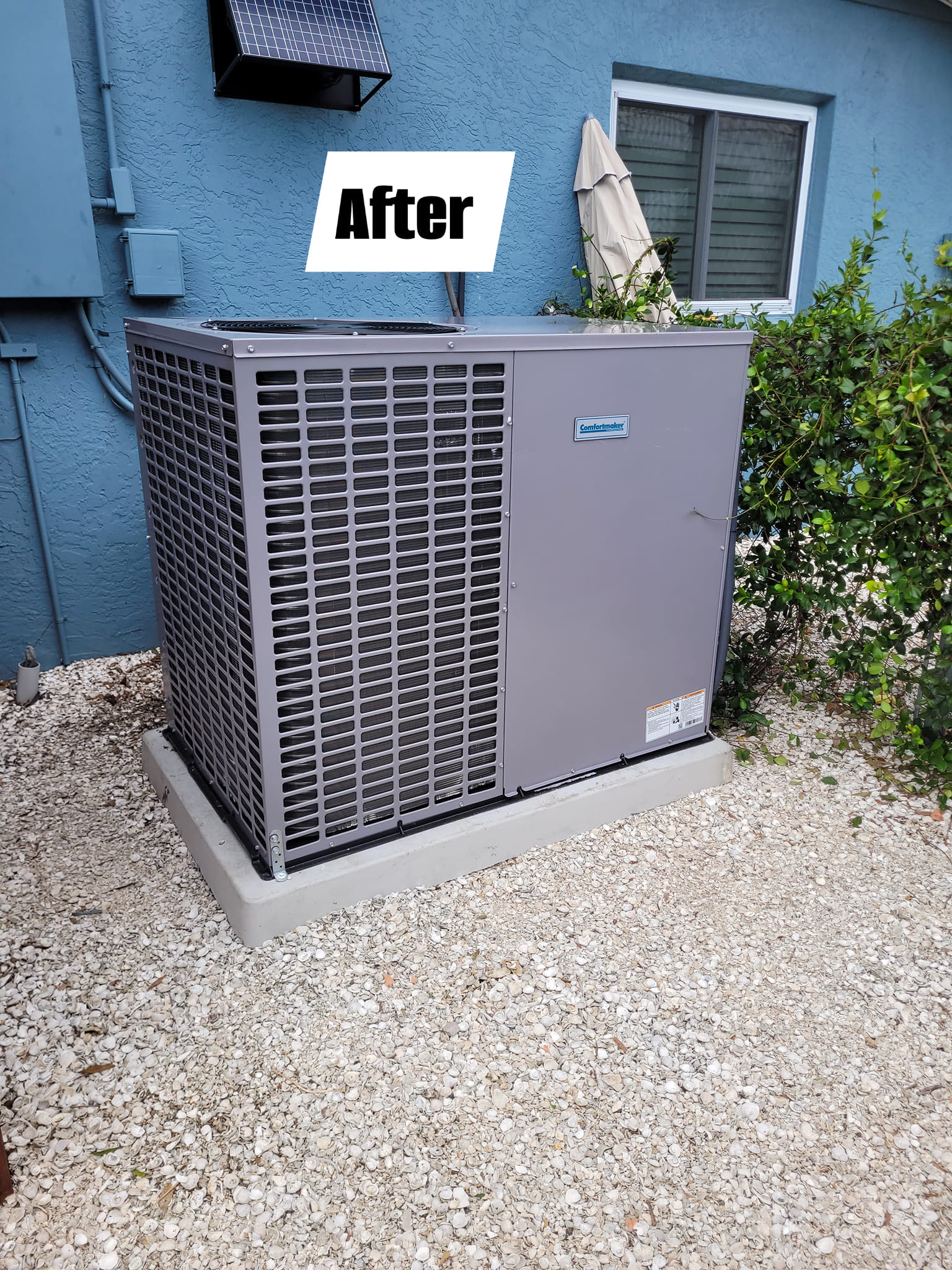
Securing your HVAC unit is another essential measure. High winds can rattle or even displace outdoor units. This can lead to disconnection from electrical sources or cause structural damage. Using hurricane straps or bolting the unit to a sturdy base can help keep it securely in place during severe weather events.
Before a storm hits, it’s wise to schedule a professional inspection with EPS Heating and Cooling LLC. Our expert technicians can identify any potential issues and make necessary repairs, ensuring that your HVAC system is in top working condition. They will also verify that your system is equipped with necessary upgrades or protective measures, such as a surge protector, which can safeguard against power surges typically associated with lightning storms.
Additionally, investing in a programmable thermostat can be beneficial. This allows you to set your system to maintain a consistent temperature even if power is lost temporarily. Ensure you know how to operate it manually, in case storm conditions affect functionality. Remember, during a storm, it's recommended to turn off your HVAC system temporarily. Lightning-induced electrical surges can damage components, leading to costly repairs.
Routine maintenance, such as changing air filters and ensuring ducts are sealed, can help enhance efficiency during severe weather. A well-maintained system not only keeps your indoor environment comfortable but also reduces the strain on the system, which is particularly important when extreme weather tests its limits.
After a storm has passed, conduct a thorough assessment around your property. Check for visible damage to the HVAC unit and look for dislodged components or structural shifts. If you suspect any damage, contact a professional technician from EPS Heating and Cooling LLC immediately for an inspection and any necessary repairs. Do not attempt to handle repairs on your own, as this can be risky and may void warranties or cause further damage.
In conclusion, storm-proofing your HVAC system involves a combination of preventive measures, regular maintenance, and immediate post-storm actions. By following these guidelines, you ensure the longevity and reliability of your HVAC system, despite the challenges posed by extreme weather. Trust EPS Heating and Cooling LLC to provide the expertise and support you need to keep your system running smoothly, come rain or shine.
/filters:no_upscale()/filters:format(webp)/media/0bb9ac87-b59f-4fad-abfa-a192be83fd2e.jpeg)
/filters:no_upscale()/filters:format(webp)/media/f8c91087-0b40-494d-9dcc-ba7f5f752cb2.jpeg)