Eco-Friendly HVAC: How to Reduce Your Carbon Footprint at Home May 01, 2026
The importance of eco-friendly HVAC systems cannot be overstated. HVAC systems account for a significant portion of a household's energy consumption and, consequently, its carbon emissions. Transitioning to a more sustainable HVAC system can lead to significant reductions in energy use and greenhouse gas emissions. This not only benefits the environment but can also result in substantial savings on energy bills.
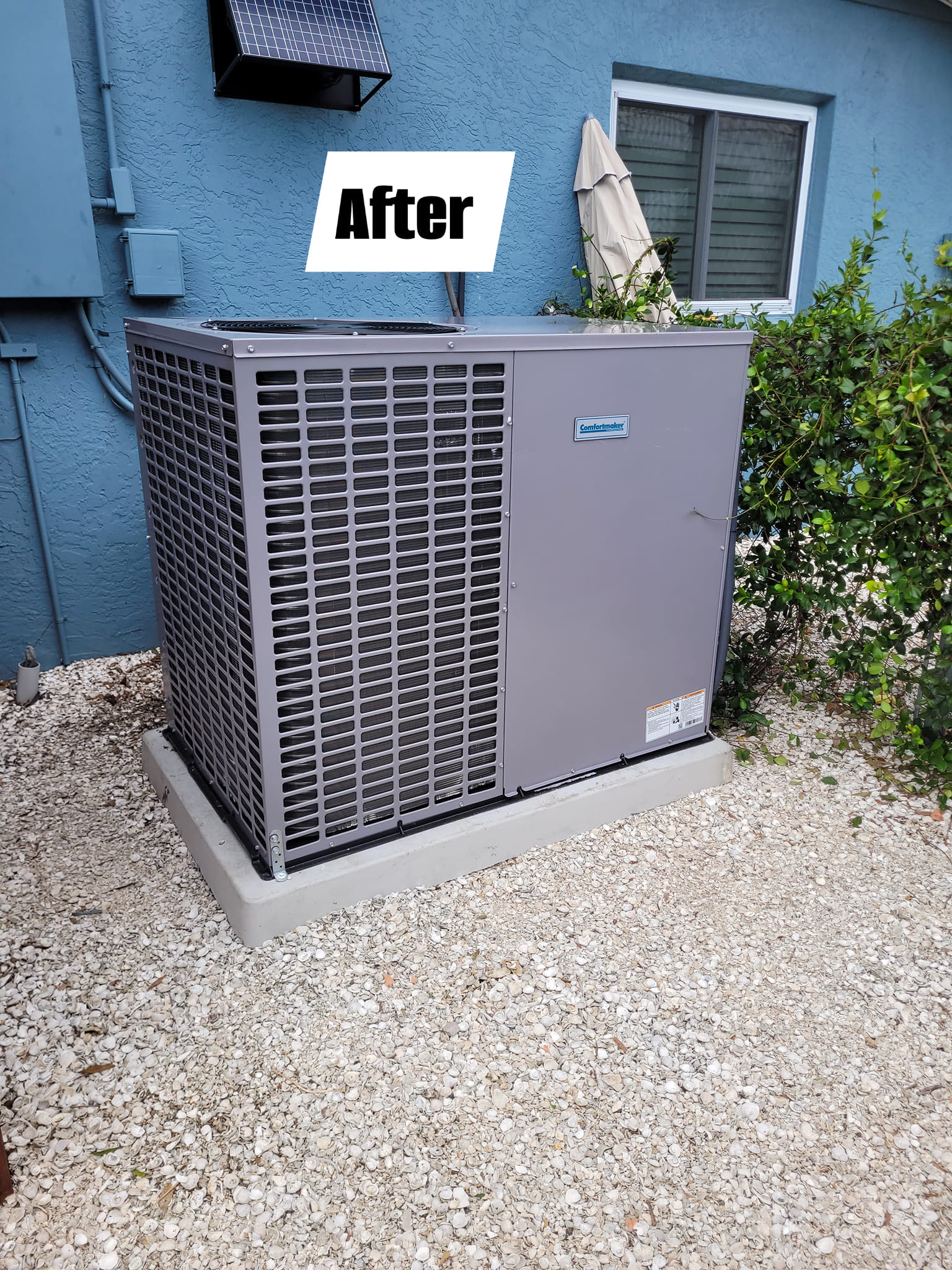
Start by evaluating your current HVAC system. Older systems tend to be less energy-efficient, meaning they consume more power to provide the same level of heating or cooling as newer models. Consider replacing outdated HVAC units with modern, energy-efficient models. Look for units with high Seasonal Energy Efficiency Ratio (SEER) ratings, as they are designed to consume less energy while maintaining optimal performance.
Regular maintenance of your HVAC system is another crucial step in reducing energy consumption. Clogged filters, leaks, or dirty coils force your system to work harder, using more energy in the process. Schedule routine check-ups with a professional HVAC service provider like EPS Heating and Cooling LLC to ensure your system operates at peak efficiency. Simple tasks, like replacing air filters every one to three months, can significantly enhance your system's performance and longevity.
Harnessing renewable energy sources is a game-changer for eco-friendly HVAC systems. Solar-powered HVAC units, for instance, utilize solar panels to generate electricity, which can be used to heat or cool your home. This transition not only reduces dependency on fossil fuels but also cuts down electricity costs over time. We recommend consulting with a HVAC professional to assess the feasibility of adding solar panels to your home.
Another way to enhance your home's energy efficiency is through smart thermostats. These devices allow you to program and control your home's temperature settings even when you're not at home. By optimizing heating and cooling schedules, smart thermostats reduce unnecessary energy use, consequently lowering your overall carbon footprint. Furthermore, these systems offer data insights that can help you identify where and when energy consumption is highest, allowing for targeted improvements.
Increasing the insulation in your home can also support an eco-friendly HVAC system. Proper insulation keeps warm or cool air inside, reducing the need for constant running of your heating or cooling systems. Make sure your windows and doors are well-sealed, and consider adding insulation to your attic and walls if necessary.
Finally, landscapers can play a supportive role in boosting your home's energy efficiency. Planting trees or shrubs strategically can provide natural shading and windbreaks, reducing the strain on your HVAC system.
In conclusion, making your HVAC system eco-friendly is a multifaceted approach that involves updating equipment, regular maintenance, utilizing renewable energy, and improving home insulation. Each of these steps independently contributes to a lower carbon footprint, but together they offer a comprehensive strategy for sustainable living. At EPS Heating and Cooling LLC, we are committed to helping homeowners make informed decisions that benefit both their wallets and the planet. Begin your journey toward a greener home today by assessing your HVAC systems and implementing these practical solutions.
/filters:no_upscale()/filters:format(webp)/media/0bb9ac87-b59f-4fad-abfa-a192be83fd2e.jpeg)
/filters:no_upscale()/filters:format(webp)/media/f8c91087-0b40-494d-9dcc-ba7f5f752cb2.jpeg)