Understanding the Science Behind Heat Pumps: Efficiency and Environmental Impact May 10, 2026
Heat pumps operate on a simple yet ingenious principle: they transfer heat rather than generate it. During colder months, heat pumps extract warmth from outdoor air and transfer it indoors, even in cooler climates. This process is reversed in the summer, as heat pumps pull heat from inside a building, releasing it outside and thus cooling the indoor environment. This heat transfer mechanism is akin to that of a refrigerator or air conditioner, but the key distinction lies in its ability to provide both heating and cooling.
The efficiency of heat pumps is measured using two main metrics: the Seasonal Energy Efficiency Ratio (SEER) and the Heating Seasonal Performance Factor (HSPF). These ratings indicate how much energy is used to provide a specific amount of cooling or heating, respectively. The higher these numbers, the more efficient the heat pump. This efficiency is largely due to the heat pump's unique ability to move heat instead of producing it, which requires significantly less energy compared to conventional heating methods like electric resistance heaters or gas furnaces.
Environmental benefits are another crucial advantage of heat pumps. As they use less electricity, there is a significant reduction in greenhouse gas emissions, making them a more eco-friendly option. Additionally, when paired with renewable energy sources such as solar panels, heat pumps contribute to a sustainable heating and cooling system. This synergy not only enhances the energy efficiency of a building but also supports global efforts in reducing carbon footprints.
Moreover, advancements in heat pump technology have continuously improved their performance in various climates. Modern heat pumps are designed to be effective even in sub-zero temperatures, thereby extending their usability across diverse geographical regions. With variable-speed compressors and technologically advanced components, these systems can adapt to the specific comfort needs of any space, optimizing energy use even further.
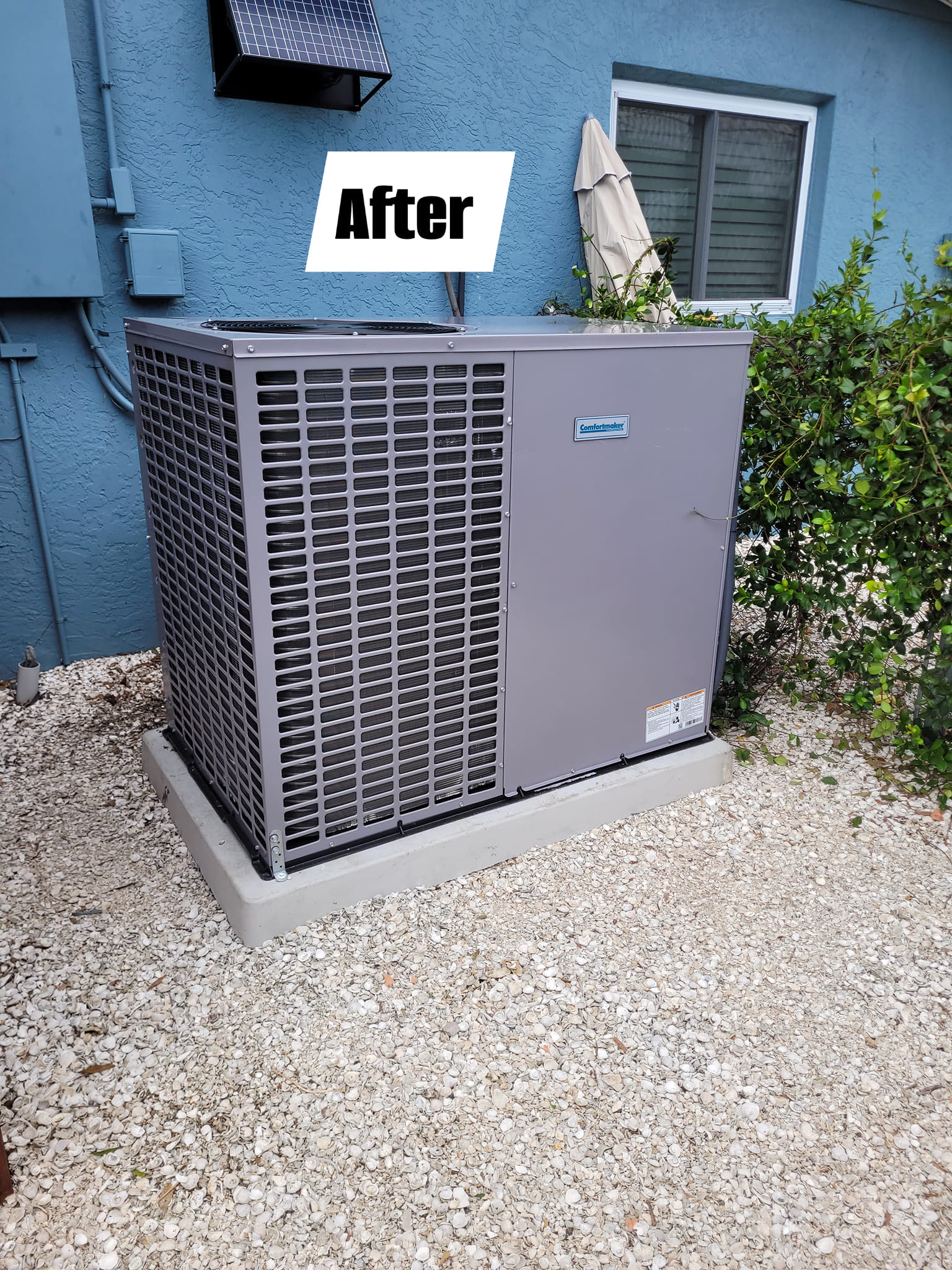
For those considering an upgrade or installation, selecting the right size and type of heat pump is essential. Consulting with a professional service such as EPS Heating and Cooling LLC ensures that you get expert advice that aligns the heat pump specification with your specific needs, maximizing both efficiency and comfort.
Aside from energy savings and reduced environmental impact, heat pumps offer versatility in installation, either as ducted systems or ductless mini-splits, catering to a variety of properties. This flexibility makes them a highly attractive option for modern homes and businesses aiming for optimal indoor climate control without compromising on ecological responsibility.
Investing in heat pump technology not only provides efficient climate management but also supports ecological sustainability. Their ability to seamlessly integrate into existing HVAC systems and enhance energy conservation presents both financial and environmental benefits.
In conclusion, understanding the science behind heat pumps highlights their role in efficient, eco-friendly HVAC solutions. Through a deeper knowledge of how they operate and the benefits they offer, homeowners and businesses alike can make informed decisions. Choosing the right system with trusted services like EPS Heating and Cooling LLC can transform your approach to indoor climate control, ensuring comfort and sustainability go hand in hand.
/filters:no_upscale()/filters:format(webp)/media/0bb9ac87-b59f-4fad-abfa-a192be83fd2e.jpeg)
/filters:no_upscale()/filters:format(webp)/media/f8c91087-0b40-494d-9dcc-ba7f5f752cb2.jpeg)